

How to Talk to Your Kids About Divorce
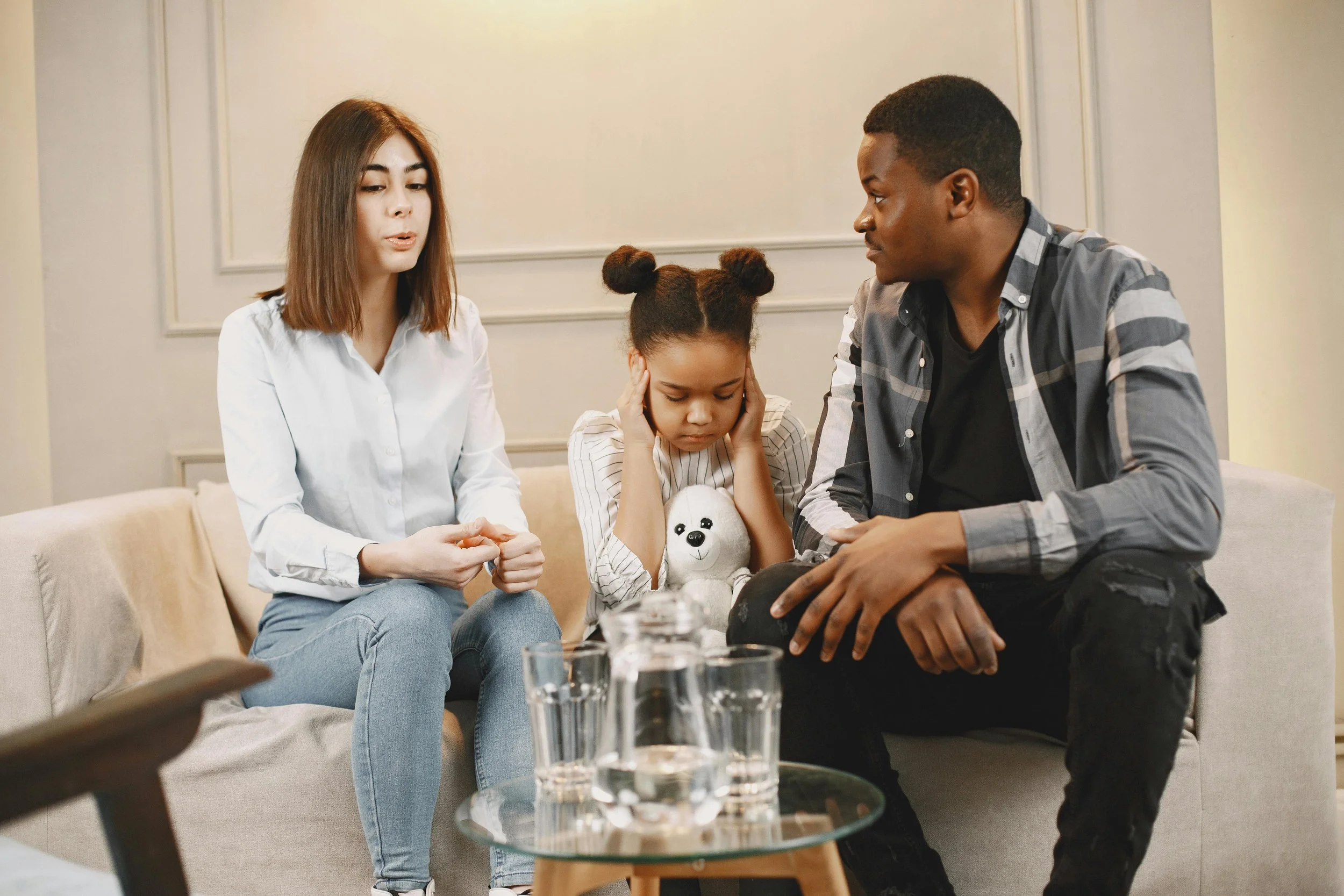
What Your Children Will Remember Most Is How You Handled This Moment
When couples are on the brink of divorce, most conversations revolve around lawyers, finances, custody schedules, or whether the marriage can still be saved. But underneath all of that is a quieter fear many parents carry:
How do we tell the kids?
Will this damage them forever?
What if they blame themselves?
What if I completely fall apart during the conversation?
If you keep reading, you’ll learn how to talk to your children about divorce in a way that helps them feel emotionally safe, loved, and protected, even during one of the hardest transitions your family may ever face. You’ll also learn what children truly need from their parents during divorce, the mistakes that unintentionally increase anxiety, and how to create stability when everything feels uncertain.
Because while divorce changes a family, it does not have to destroy a child’s sense of security.
How to Talk to Your Kids About Divorce
There is no perfect script for telling your children you are separating.
No perfectly timed moment.
No magical wording that prevents tears.
No version that makes this painless.
And many overwhelmed parents delay the conversation because they are carrying their own grief, exhaustion, anger, confusion, or guilt. Some couples are barely speaking to each other. Others are stuck in cycles of conflict that have emotionally drained everyone in the home.
But children already feel when something is wrong.
They notice the silence.
The tension.
The distance.
The separate bedrooms.
The arguments whispered behind closed doors.
Children are emotional observers long before adults give them explanations.
And when children do not understand what is happening, they often create their own explanations, many of which are deeply painful.
They may believe:
“This is my fault.”
“If I behaved better, Mom and Dad would stay together.”
“One parent is leaving because they don’t love us anymore.”
“My family is broken forever.”
That is why this conversation matters so much.
Not because you can erase the pain.
But because you can shape how your child experiences it.
Before You Talk to Your Kids, Regulate Yourself First
One of the hardest truths about parenting through divorce is this:
Your children will take emotional cues from you.
If the conversation becomes explosive, blaming, chaotic, or emotionally unsafe, children absorb that fear immediately.
This does not mean you need to hide all emotion or pretend you are fine.
It means your child needs to feel:
emotionally protected,
reassured,
and grounded by the adults in the room.
Before having the conversation, ask yourself:
Can I speak calmly even if I am hurting?
Can I avoid attacking my partner in front of the children?
Can I focus on what the children need instead of what I want to say?
If emotions are too high, it may help to:
write down key points beforehand,
practice the conversation,
or work with a therapist to prepare emotionally.
Because this is not just a conversation.
It is a memory your child may carry for the rest of their life.
What Children Need to Hear During a Divorce Conversation
Children do not need every adult detail.
They do not need to hear about betrayal, resentment, finances, emotional wounds, or who wanted the divorce more.
They need clarity, reassurance, and emotional safety.
The most important messages are:
1. “This is not your fault.”
Children internalize conflict more than parents realize.
Say this directly.
Then repeat it often over time.
Young children especially tend to believe their behavior somehow caused the separation.
Remove that burden immediately.
2. “We both love you and will always be your parents.”
Divorce ends a marriage.
It does not end parenthood.
Children need reassurance that they are not losing love, belonging, or connection.
Even if the relationship between parents is deeply strained, children benefit when both parents communicate ongoing love and commitment.
3. “You will still be cared for.”
Children worry about practical stability:
Where will I live?
Will I still see both parents?
What happens to school?
What about holidays?
What if one parent disappears?
Even if you do not have every answer yet, provide whatever predictability you can.
Children feel safer when they understand what will stay the same.
What NOT to Say to Your Kids About Divorce
In moments of emotional overwhelm, parents sometimes unintentionally place children in the middle of adult pain.
Avoid:
blaming the other parent,
asking children to take sides,
oversharing relationship details,
using children as emotional support,
or making them responsible for your emotional well-being.
Statements like:
“Your father ruined this family.”
“Your mother cares more about herself than us.”
“You’ll understand when you’re older.”
“You’re the only one I have now.”
…can create long-term emotional stress for children.
Children should never feel forced to choose loyalty between parents.
Even when one parent feels deeply hurt, protecting your child’s emotional health must remain the priority.
Different Ages, Different Reactions
Children process divorce differently depending on developmental stage.
Young Children
Younger children may:
become clingy,
regress emotionally,
have sleep issues,
or ask repetitive questions.
They need simple explanations and consistent reassurance.
School-Aged Children
School-aged children often struggle with:
self-blame,
anxiety,
anger,
concentration issues,
or behavioral changes.
This age group benefits from open conversations and emotional validation.
Teenagers
Teens may appear angry, withdrawn, indifferent, or emotionally shut down.
But underneath that reaction is often grief, fear, or confusion.
Teenagers need honesty, space to process emotions, and reassurance that their feelings are allowed.
The Goal Is Not a “Perfect Divorce”
Many exhausted couples place impossible pressure on themselves to “do divorce perfectly.”
But children do not need perfection.
They need emotionally safe parents who are trying.
Research consistently shows that children are often impacted less by divorce itself and more by:
chronic conflict,
emotional instability,
hostility between parents,
and feeling emotionally unsafe in the home.
In some families, ongoing high-conflict marriages create more emotional harm than separation.
Children can heal.
Families can adapt.
Security can be rebuilt.
But it starts with emotional safety.
If You and Your Partner Cannot Communicate Calmly
Some couples are simply too emotionally activated to navigate these conversations alone.
That does not mean you have failed.
Divorce can trigger grief, trauma, abandonment wounds, anxiety, depression, and overwhelming stress, especially when children are involved.
Working with a therapist can help parents:
communicate more effectively,
reduce conflict,
create healthier co-parenting dynamics,
and support children emotionally during the transition.
Sometimes the healthiest thing parents can do is seek support before the emotional damage deepens.
Final Thoughts: Your Kids Do Not Need Perfect Parents
If you are reading this while emotionally exhausted, terrified, grieving, or unsure what comes next, you are not alone.
Many parents fear that divorce will permanently damage their children.
But what children remember most is not whether life stayed exactly the same.
They remember:
whether they felt loved,
whether they felt emotionally safe,
and whether the adults around them protected them during hard moments.
You do not need to have every answer today.
You only need to take the next compassionate step forward.
And sometimes that begins with one honest conversation.
Need Support Navigating Divorce, Parenting Stress, or Family Conflict?
At Living Optimally, we help overwhelmed individuals, couples, and parents navigate anxiety, emotional exhaustion, relationship struggles, and major life transitions with compassion and practical support.
Whether you are trying to save your relationship, co-parent more effectively, or help your children through a difficult season, therapy can help you move forward with greater clarity and emotional stability.
You do not have to carry this alone.