

Why Good Relationships Quietly Fall Apart: The Five Relationship Patterns Every Couple Should Recognize
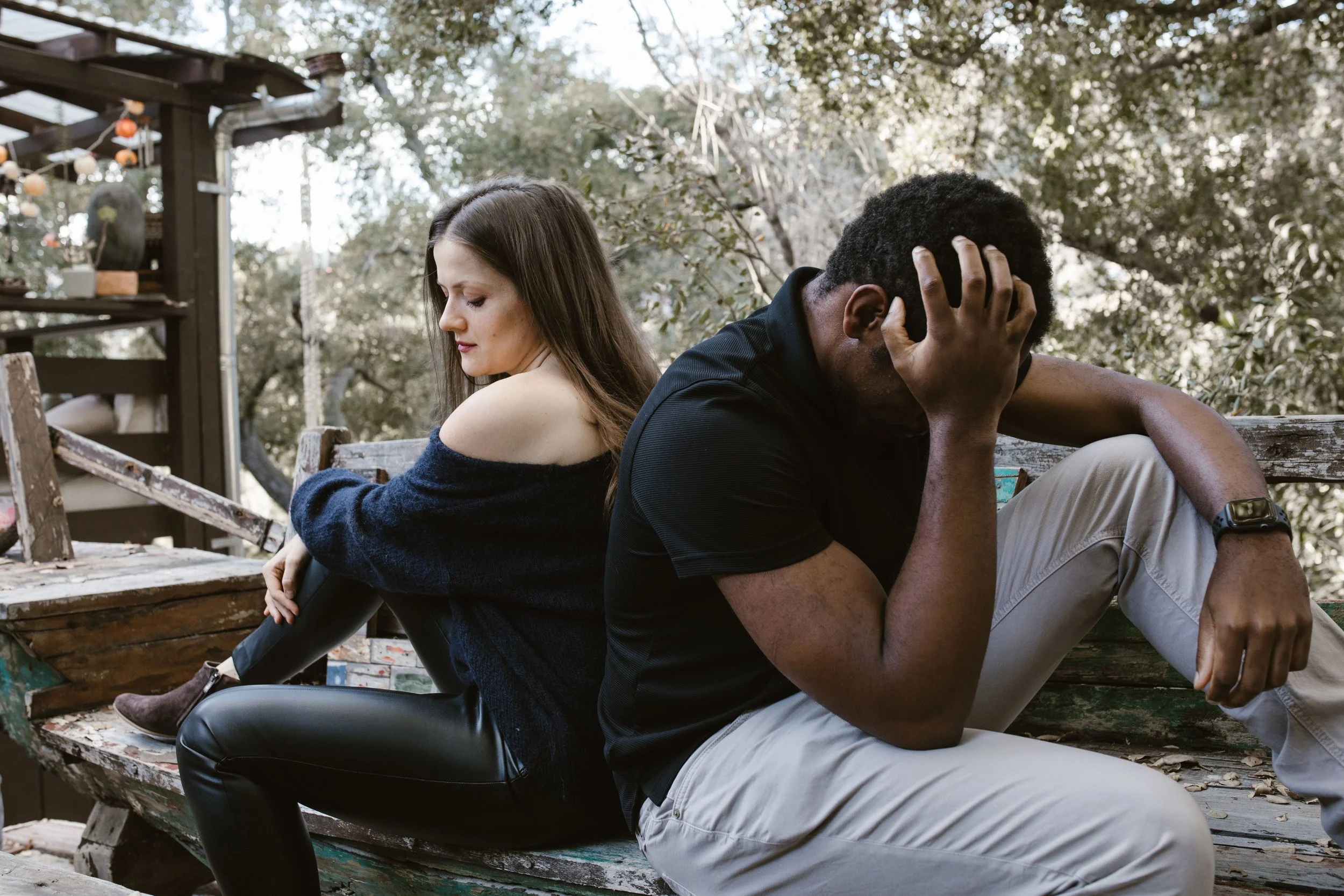
The strongest relationships rarely fall apart because of one terrible argument. They slowly drift apart through everyday moments that quietly replace emotional safety with emotional distance.
No one gets married dreaming of becoming strangers.
No couple stands at the altar imagining a future where conversations are reduced to schedules, arguments feel impossible to resolve, affection becomes awkward, and silence fills the spaces where laughter once lived.
Yet this is the reality for many couples.
Especially in today's fast-paced world.
Many Bergen County, NJ couples are balancing demanding careers, raising children, caring for aging parents, managing finances, and trying to keep up with the relentless pace of life. By the end of the day, there's often little emotional energy left for the person who matters most.
If you've found yourself wondering, "How did we become this couple?" you're not alone.
The encouraging news is this: relationships rarely fall apart overnight, and they rarely heal overnight either. Healing begins when couples understand the patterns that are quietly pulling them apart, and learn how to replace those patterns with emotional safety, resilience, and genuine connection.
As you continue reading, you'll discover the five relationship patterns therapists see most often, why they damage emotional intimacy, and how couples can begin finding their way back to one another.
Most Couples Don't Intend to Drift Apart
Relationships don't usually end because love suddenly disappears.
More often, they change because life becomes heavier.
Children are born.
Careers become more demanding.
Bills increase.
Parents begin caring for aging family members.
Homework replaces date nights.
Conversations become about groceries, calendars, appointments, and responsibilities.
Instead of asking,
"How are you really doing?"
you're asking,
"Who's picking up the kids?"
Slowly, almost without noticing, emotional intimacy gives way to daily survival.
One day you look across the dinner table and realize you're talking more like coworkers managing a household than two people deeply in love.
The relationship didn't fail overnight.
It quietly lost the connection that once made it feel safe.
Emotional Safety Is the Heartbeat of Every Healthy Relationship
When people think about successful relationships, they often think about romance.
Chemistry.
Compatibility.
Shared interests.
While those things matter, healthy relationships are built on something even deeper:
Emotional safety.
Emotional safety means knowing you can be honest without fear of humiliation.
It means believing your feelings matter.
It means trusting that disagreements won't threaten the relationship itself.
When emotional safety disappears, partners stop taking emotional risks.
They stop sharing.
They stop reaching.
They stop being vulnerable.
The relationship may continue.
But genuine intimacy slowly fades.
Why Couples Get Stuck: Your Brain Is Trying to Protect You
When conflict feels threatening, your brain shifts into protection mode.
For some people, protection looks like shutting down.
For others, it looks like becoming defensive.
Some become critical.
Others avoid conflict entirely.
These reactions are rarely about not loving your partner.
They're often automatic attempts to protect yourself from emotional pain.
Understanding this changes the question.
Instead of asking,
"What's wrong with my partner?"
You begin asking,
"What are we protecting ourselves from?"
That shift moves couples away from blame and toward understanding.
1. The Silent Treatment: When Silence Speaks Louder Than Words
Healthy relationships sometimes need space.
The silent treatment is something very different.
Instead of saying,
"I need time to calm down."
One partner emotionally disappears.
Messages go unanswered.
Conversations stop.
Affection disappears.
The silence becomes punishment instead of protection.
To the partner experiencing it, the message often feels like:
"You are no longer emotionally safe with me."
Over time, silence creates anxiety.
The partner left behind begins questioning everything.
"Did I ruin the relationship?"
"Should I keep trying?"
"Do I even matter?"
No relationship grows in emotional isolation.
Healing begins when couples learn to pause without abandoning one another.
A simple statement like,
"I'm overwhelmed right now, but I want us to come back and talk about this,"
can preserve hope even during conflict.
2. Contempt: When Respect Begins to Disappear
If there is one pattern that quietly destroys emotional safety faster than any other, it is contempt.
Contempt sounds like sarcasm.
Eye-rolling.
Mocking.
Belittling.
Name-calling.
It communicates something far more painful than disagreement.
It communicates superiority.
Instead of saying,
"I'm hurt."
Contempt says,
"You're the problem."
No one feels emotionally safe with someone who consistently makes them feel small.
Respect is the soil where love grows.
Once respect begins disappearing, emotional closeness often follows.
Healthy couples learn to address problems without attacking each other's character.
3. Defensiveness: Listening to Respond Instead of Listening to Understand
Imagine telling your partner,
"I felt lonely this week."
Instead of hearing your pain, they immediately respond,
"Well, I've been busy too."
Or,
"You think you've had a hard week?"
Defensiveness is rarely about winning.
It's about protecting ourselves from feeling blamed.
Unfortunately, it also prevents us from hearing the heart behind our partner's words.
One of the most healing sentences in a relationship is also one of the simplest:
"Help me understand."
Curiosity lowers defenses.
Understanding builds connection.
Validation doesn't always mean agreement.
It means communicating,
"Your feelings make sense to me."
That simple shift helps partners feel emotionally safe enough to keep talking instead of shutting down.
4. Avoiding Difficult Conversations
Many couples avoid difficult conversations because they're trying to keep the peace.
Ironically, avoiding conflict often protects the problem—not the relationship.
Unspoken disappointments become quiet resentment.
Needs remain hidden.
Assumptions replace communication.
Eventually, conversations revolve around logistics instead of life.
The hardest part isn't the arguing.
It's the absence of meaningful conversation altogether.
Couples often tell us,
"We don't fight much anymore."
Sometimes that isn't because everything is healthy.
It's because they've stopped believing difficult conversations will lead anywhere.
Healing begins when couples stop avoiding discomfort and start approaching it with compassion, honesty, and patience.
5. Keeping Score: When Love Becomes a Competition
"I always do more."
"You never help."
"Remember everything I've done for you?"
Keeping score quietly transforms partners into opponents.
Instead of appreciating each other's efforts, couples begin collecting evidence that they're carrying more of the emotional load.
Love slowly becomes transactional.
Healthy relationships aren't built by perfectly dividing every responsibility.
Some seasons require one partner to carry more.
Other seasons require the opposite.
Strong couples focus less on equality in every moment and more on generosity over time.
Gratitude reconnects.
Scorekeeping divides.
Every Relationship Is Teaching Someone How to Love
If you have children, your relationship becomes one of their first classrooms.
They are learning:
How people communicate.
How conflict is handled.
How apologies sound.
How forgiveness works.
How respect feels.
Children don't need parents who never disagree.
They need parents who show them that disagreement doesn't have to destroy connection.
Every repair teaches them hope.
Every respectful conversation teaches them courage.
Every moment of emotional safety becomes part of the relationship blueprint they carry into adulthood.
Imagine Finding Your Way Back
Imagine coming home and feeling relief instead of tension.
Imagine conversations where both people feel heard.
Imagine reaching for your partner's hand without wondering whether they'll pull away.
Imagine laughing together again.
Imagine looking across the dinner table and feeling like teammates instead of strangers.
Imagine knowing that even during difficult conversations, your relationship remains emotionally safe.
Not because you stopped disagreeing.
But because you've learned how to disagree without losing each other.
That kind of relationship isn't built through perfection.
It's built through thousands of intentional moments where two people choose understanding over winning, curiosity over criticism, and connection over protection.
You Don't Have to Stay Stuck
If your relationship feels distant, uncertain, or weighed down by patterns that seem impossible to break, know this:
These patterns are not your identity.
They are habits.
And habits can change.
At Living Optimally, we help Bergen County, NJ couples understand the deeper emotional patterns beneath conflict, rebuild trust, strengthen communication, and create relationships where both partners feel emotionally safe, respected, and deeply connected.
Because relationships rarely fail because people stop loving each other.
They struggle when emotional safety quietly disappears.
The beautiful truth is that emotional safety can be rebuilt.
One honest conversation.
One sincere apology.
One moment of curiosity.
One act of grace.
One choice to turn toward each other instead of away.
And sometimes, that single choice becomes the beginning of finding your way back, dysfunctional not just to your relationship, but to each other.