

The Strength Nobody Sees: The Emotional Reality of Single Parenting
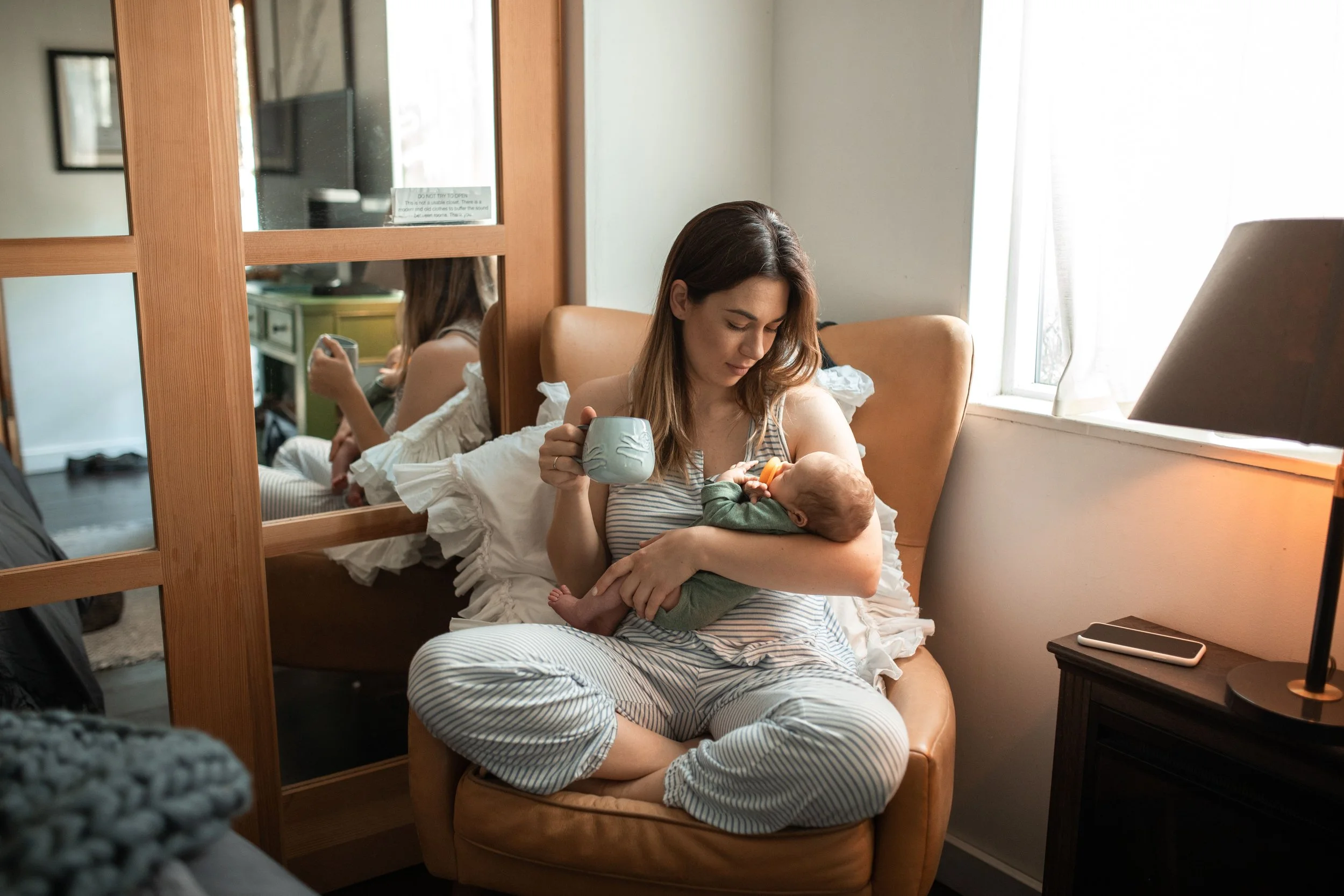
You can be the person everyone depends on and still have moments when you desperately wish someone would take care of you.
You make the decisions. You handle the appointments and the school emails. You manage the schedule, figure out dinner, and provide the comfort and the boundaries. You show up when your child is sick, scared, disappointed, or overwhelmed.
And when the house finally goes quiet, you may finally let yourself feel everything you held together all day.
If you're a single parent, especially one raising a child with ADHD or a behavioral challenge there's something we want you to know: being tired doesn't mean you're weak. Struggling doesn't mean you're failing. It means you're carrying a lot, often without a second person in the room to share the weight of the hard decisions.
One Person Carrying Two People's Load
Decision-making. Financial responsibility. Emotional labor. Discipline. Planning. Problem-solving. For any parent, that's a lot. For a single parent whose child has ADHD or a behavioral diagnosis, add: managing meltdowns alone, translating school emails into IEP meetings, figuring out whether today's outburst was a bad moment or a pattern worth flagging, usually without anyone next to you to say "I've got this one."
That mental checklist runs constant: Did they take their meds? Did the teacher email again? Am I being too strict, or not strict enough? Am I doing enough?
That's a different kind of exhaustion, the kind sleep alone doesn't fix.
The World Sees the Strong Parent
Your children see you getting things done, driving them where they need to go, comforting them when they're hurting, showing up smiling even when you're worried. They hear you say, "We'll figure it out," even when you have no idea how.
That's one of the quiet realities of single parenting: creating safety for your child while privately carrying uncertainty yourself.
But you don't have to hide every emotion to create that safety. Your child can learn that adults have hard feelings and move through them. You can say, "I'm having a hard day, but I'm okay, and we're going to get through it." That teaches something powerful: strength isn't the absence of emotion; it's learning to experience emotion without letting it define the whole family.
Your Child Doesn't Need You to Be Invincible
Children, especially kids who are already working hard to regulate their own big emotions, don't need a parent who never cries. They need a parent who shows them emotions can be felt, expressed, and survived. There's a real difference between sharing your emotions appropriately and asking your child to carry them. You don't have to make your child your confidant. But you can let them see you take a breath, ask for help, apologize, and try again. That's emotional resilience in action, and it's often exactly the co-regulation modeling that helps a dysregulated child learn to self-regulate, too.
Stop Comparing Your Family to Families That "Look Complete"
You see the two-parent family at pickup, the vacation photos, the birthday parties, and wonder if your child is missing something. But you're comparing your behind-the-scenes to someone else's highlight reel. A family isn't defined by how many adults live under one roof; it's defined by safety, consistency, repair, and connection.
You Are Allowed to Be Tired
There's a difference between "I can't do this" and "I can't keep doing this without support." The second isn't weakness, it's awareness. You're allowed to need a break, adult conversation, therapy, or help from family. You're allowed to be grateful for your children and exhausted by the responsibility of raising them. Both can be true at once.
What Your Child Needs Most Isn't a Perfect Parent
They need a safe one, a parent who can say "I got frustrated, and I'm sorry I yelled," or "I don't know the answer yet, but we'll figure it out," or "You don't have to take care of me. I'll take care of you." Those moments teach a child that relationships survive hard moments, mistakes get repaired, and asking for help is safe- lessons that matter even more for a child who's still learning to trust their own ability to recover from a hard moment.
You Don't Have to Carry This Alone
At Living Optimally, we work with single parents raising children with ADHD and behavioral challenges every day. We understand this isn't just "parenting” it’s parenting without a built-in backup, while also managing school communication, providers, and a child whose needs are often harder to explain to people outside your home.
Parenting support and therapy can give you a place to step out of survival mode, understand the "why" behind your child's behavior, and build practical strategies you can use the same day, without waiting until you're completely depleted to ask for help. You don't have to prove things are "bad enough" to reach out.