

I Feel Like a Bad Parent Every Day”
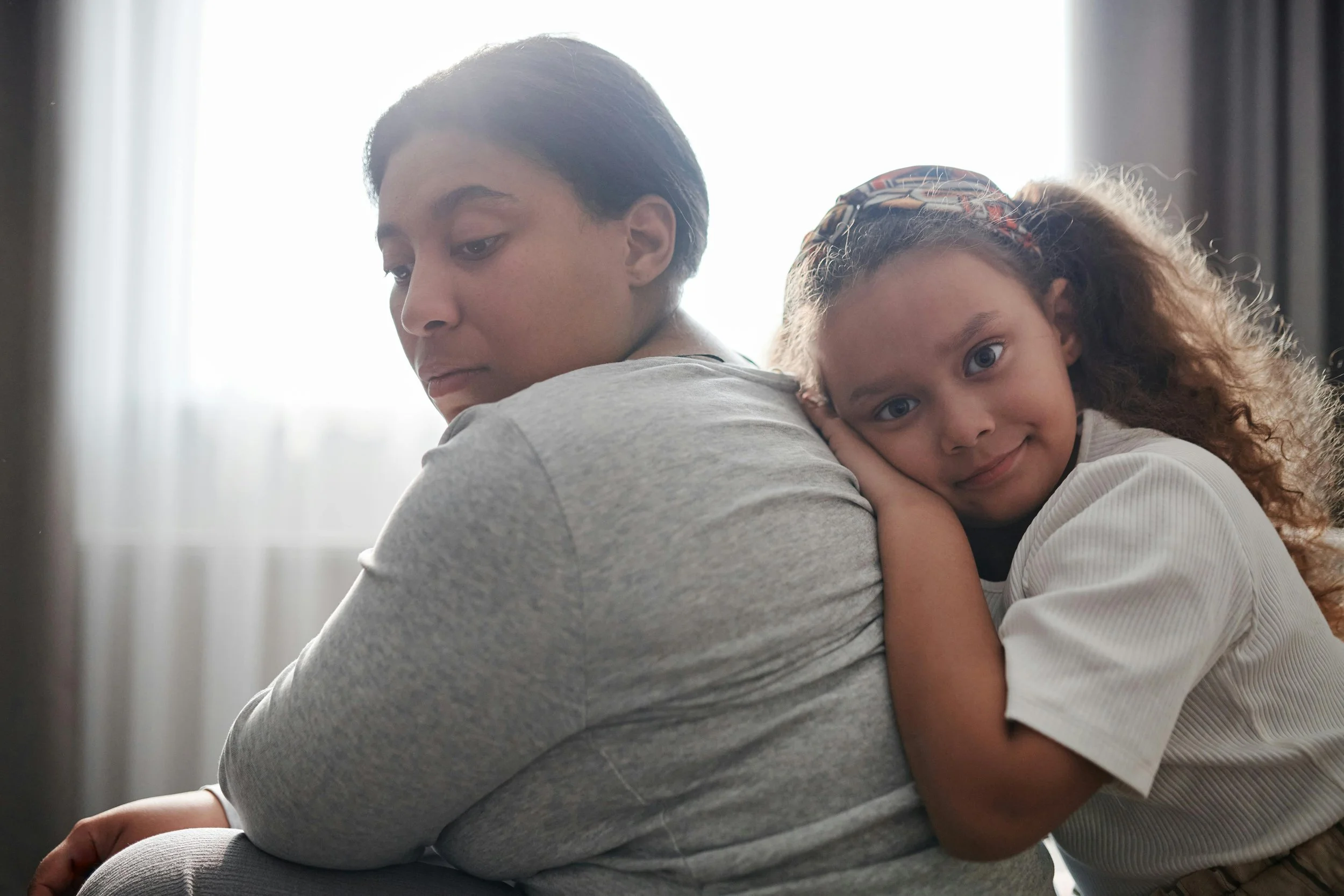
What Overwhelmed Parents of Children With Behavioral Challenges Need to Hear
If you keep reading, you’ll discover why so many loving parents secretly feel like they are failing, especially when raising children with behavioral issues, emotional dysregulation, ADHD, defiance, aggression, anxiety, or constant school problems. You’ll learn why exhaustion changes the way parents respond, how guilt quietly grows in overwhelmed families, and practical parenting strategies that can help restore connection instead of constant conflict.
Most importantly, this blog will help you imagine something that may feel impossible right now:
A home with less yelling.
Less shame.
Less walking on eggshells.
And more moments where you actually feel connected to your child again.
Because feeling like a bad parent does not mean you are one.
“I Feel Like I’m Failing My Child”
Many parents never say these words out loud.
But they think them constantly.
After the third phone call from school this month.
After another public meltdown in the grocery store.
After being hit, screamed at, ignored, or cursed at by the child they love more than anything.
After losing their patience again.
After threatening consequences, they never wanted to use.
After crying alone in the bathroom because they feel emotionally broken.
They whisper to themselves:
“Other parents seem to handle this better.”
“Why is everything so hard in our house?”
“I love my child so much, but I dread the next meltdown.”
“Maybe I’m just a terrible parent.”
And underneath all of it is usually one painful fear:
What if I’m damaging my child?
Parenting a Child With Behavioral Challenges Is Emotionally Exhausting
Parents of children with behavioral issues often live in a constant state of emotional hypervigilance.
You are always anticipating:
the next outburst,
the next school email,
the next argument,
the next bedtime battle,
the next moment everything spirals again.
Your nervous system rarely gets to rest.
Even when things are calm, part of you is bracing for impact.
And over time, this creates something many parents do not recognize right away:
Parenting burnout.
Burnout can look like:
irritability,
emotional numbness,
guilt,
anxiety,
hopelessness,
snapping more quickly,
withdrawing emotionally,
or feeling disconnected from your child.
This does not mean you stopped loving your child.
It means your emotional resources are depleted.
The Parenting Advice Online Often Makes Parents Feel Worse
One of the cruelest things overwhelmed parents experience is judgment.
Social media shows calm parenting moments in perfectly organized homes. Meanwhile, you may be:
restraining a child during a violent meltdown,
getting calls from teachers weekly,
trying to survive bedtime without screaming,
or feeling completely emotionally drained.
Generic parenting advice like:
“Just be consistent.”
“Stay calm.”
“Use consequences.”
“Be more patient.”
…can feel deeply invalidating when your family is in survival mode.
Because parenting children with behavioral struggles is often far more complex than people realize.
Many children struggling behaviorally are also struggling emotionally, neurologically, socially, or developmentally.
And many parents are carrying enormous stress with very little support.
What Your Child’s Behavior May Actually Be Communicating
Behavior is communication.
Children often express emotional overwhelm through:
aggression,
defiance,
emotional outbursts,
avoidance,
control battles,
or shutdowns.
That does not mean harmful behavior should be ignored.
Boundaries still matter. Accountability still matters.
But when parents shift from:
“My child is trying to make my life miserable”
to:
“My child is struggling and doesn’t yet have the skills to manage these emotions”
…the entire dynamic can begin to change.
Children need limits.
But they also need emotional safety and co-regulation.
Especially during their hardest moments.
Why Parents Lose Their Patience
Many loving parents carry intense shame after yelling at their children.
But most reactive parenting happens when parents themselves are emotionally overloaded.
You cannot pour emotional regulation into your child when your own nervous system is drowning.
This is why parental self-care is not selfish.
It is essential.
And no, self-care is not always bubble baths and spa days.
Sometimes self-care looks like:
asking for help,
going to therapy,
taking a 10-minute break before responding,
lowering unrealistic expectations,
or admitting you are overwhelmed.
Parents need support too.
Parenting Tips for Overwhelmed Parents
1. Focus on Connection Before Correction
Children are more receptive to boundaries when they feel emotionally connected.
Small moments matter:
eye contact,
physical affection,
laughter,
calm conversations,
or even five uninterrupted minutes together.
Connection helps lower emotional defensiveness.
2. Regulate Yourself First
Children borrow emotional regulation from adults.
When possible:
pause before reacting,
lower your voice instead of raising it,
and give yourself permission to step away briefly if needed.
A regulated parent helps create a regulated environment.
3. Stop Expecting Perfection From Yourself
You will lose patience sometimes.
You will make mistakes.
You will have moments you wish you could redo.
Healthy parenting is not perfection.
Healthy parenting is repair.
Children benefit enormously when parents say:
“I’m sorry.”
“I shouldn’t have yelled.”
“Let’s try again.”
Repair teaches emotional resilience.
4. Create Predictability
Children with behavioral challenges often feel safer with structure.
Simple routines can reduce emotional chaos:
consistent bedtime,
predictable expectations,
visual schedules,
and clear consequences delivered calmly.
Predictability helps children feel emotionally anchored.
5. Get Support Earlier Than You Think You Need It
Many parents wait until they are emotionally collapsing before seeking help.
But therapy, parent coaching, or family support can help families:
reduce conflict,
improve communication,
understand behavioral triggers,
and create healthier emotional patterns.
You do not have to wait until everything feels unbearable.
Imagine What Healing Could Look Like
Imagine waking up without immediately feeling dread.
Imagine feeling calmer during your child’s difficult moments instead of constantly on edge.
Imagine understanding your child’s emotional world more clearly.
Imagine your home feeling less tense.
Less chaotic.
Less emotionally exhausting.
Imagine having tools that actually work.
Not overnight perfection.
Not a magically conflict-free family.
But progress.
Relief.
Connection.
And moments where you finally stop feeling like you are failing every single day.
Because healing in families rarely happens through shame.
It happens through support.
You Are Probably Doing Better Than You Think
Parents who worry constantly about being “bad parents” are often the very parents trying the hardest.
The fact that you are searching for answers…
Reading parenting blogs late at night…
Questioning yourself…
Wanting to do better…
…already says something important about you.
You care deeply.
And while your family may be struggling right now, struggle does not mean failure.
Sometimes it simply means your family needs more support than you were ever meant to carry alone.
You Don’t Have to Navigate This Alone
At Living Optimally, we help overwhelmed parents and families navigate behavioral challenges, emotional exhaustion, anxiety, parenting burnout, ADHD-related struggles, family conflict, and emotional dysregulation with compassion and practical support.
Therapy can help parents feel:
more confident,
more emotionally grounded,
and more connected to their children again.
Because both parents and children deserve support, especially during the hardest seasons of family life.