

Finding yourself again after the children grow up
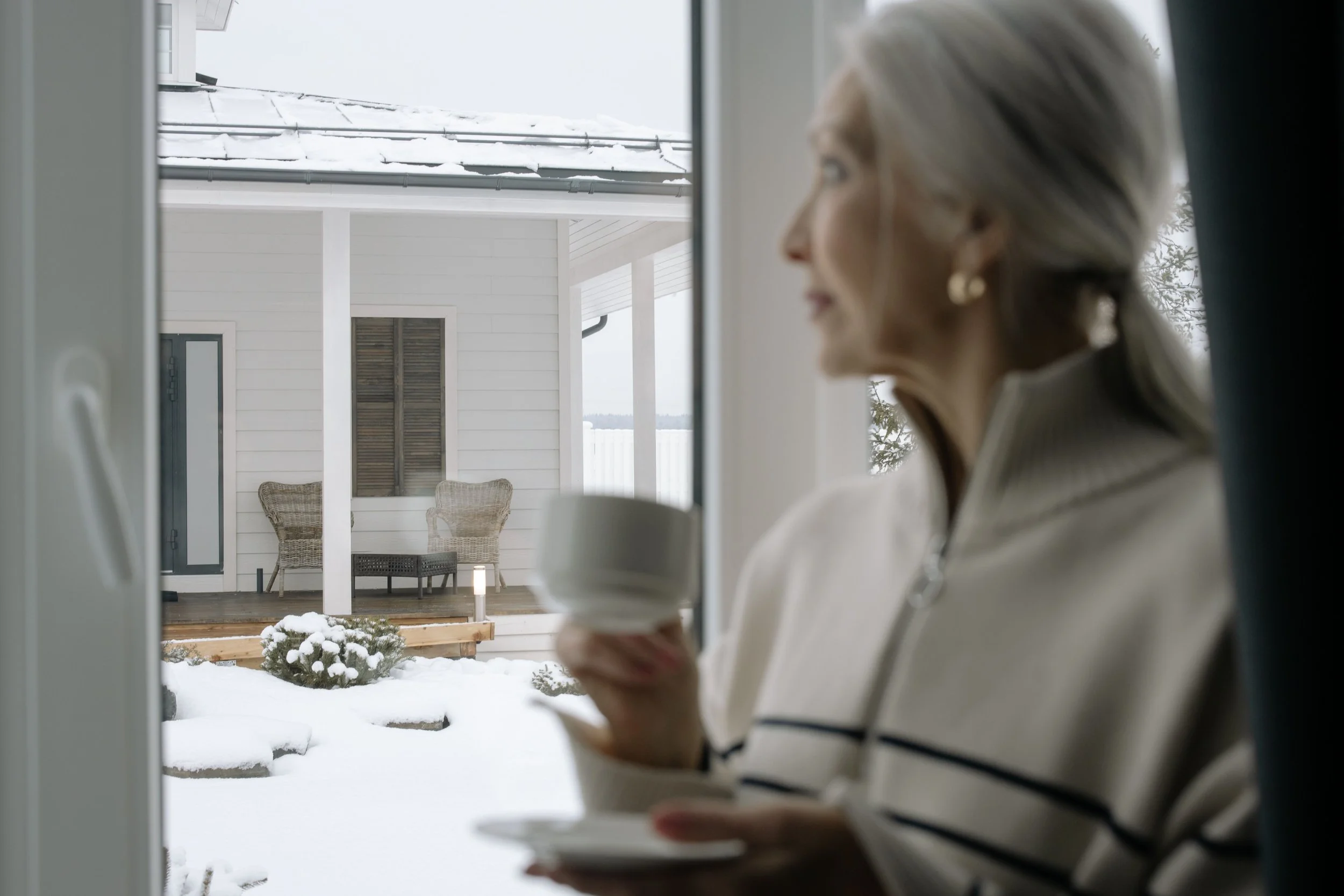
Becoming a mother, changes things for many women.
For years, life has revolved around school runs, packed lunches, homework, after school clubs, family meals, conversations and just simply being needed, caring for children can become a central part of who you are.
And just like that, before you even notice they grow up.
They suddenly become more independent, spending less time at home. They have their own friends, relationships, careers and lives. Perhaps they have left for university, moved into their new home or just might simply need you in a very different way.
Your friends and family are telling you that you should be so proud, and of course you are, however, alongside the pride you may also be experiencing a deep sense of loss.
Why It can feel like grief
During this transition, if can feel like grief even though nothing has gone wrong.
You may find yourself grieving the little things, the noise in the house, family routines, bedtime conversations, the holidays when everyone was together, or just the feeling of being needed.
You may stare at old photos on your phone or album, smiling at the memories and may feel a lump in your throat. Those mixed emotions can catch you by surprise, love, pride, happiness and sadness. Wondering to yourself, where did all this time go? Or I would give anything to go back to that time, if only for a while. This doesn’t mean you aren’t coping, and that you aren’t happy for your children. It is just a reflection of how much of that chapter meant to you at that time.
You may also feel guilty
Some women feel guilty about struggling with this stage of life.
They may think:
“I should be enjoying this.”
“Other women seem to cope”
“I should not be complaining”
“My child is happy, so why do I feel like this?”
There is no correct way to experience your children growing up. Relief, sadness, excitement, loneliness, freedom, pride and uncertainty can all have a place together.
You may just need time to acknowledge and process your feelings as our emotions don’t always make sense, and that’s okay.
Who am I now?
This transition can bring some mixed emotions, and it isn’t necessarily about missing them every moment of the day. You may be happy for them and excited about their future. Or even enjoy having more freedom.
But your role has changed, as being a mother for years has given you a strong sense of purpose. You were in a routine of knowing what needed to be done and who needed you. Then suddenly, the noise, routines and demands of everyday motherhood begin to quieten. More empty space leaves you with more time to think.
your role as a mother has not disappeared. It has just changed, and rediscovering yourself can be recognising that you are a person with your own dreams and interests.
Perhaps there is that hobby, class or activity that you have always wanted to try but you put on hold, simply because there wasn’t enough time.
Your interests may have changed over the years, and that is okay. This is a great chance to discover what excites you at this stage of life.
You may ask yourself, what goals do I have for myself? And these don’t have to be major life changes, it could be returning to work, travelling, learning something new or a personal ambition.
Rediscovering yourself does not mean forgetting you are a mother, just simply that you are a person with you own dreams and interests.
Finding support as you navigate change
There can be an expectation that once our children are grown, we should simply move on to the next stage of our life.
Significant life transitions can bring on mixed emotions, and talking about them can help.
Therapy offers a space where you don’t have to be someone’s mother, daughter, partner or carer, you can just simply be yourself.
It can be a place for you to make sense of where you are, reconnect with who you are beyond your role as a mother, and begin to think about the years ahead, not with pressure to have all the answers, but to have an idea about what you want this next chapter to look like.
This stage of life can be an opportunity not only to discover who your children have become, but also who you are becoming.
Sometimes, this next chapter is not about finding the person you used to be but discovering the person you are becoming.